Inner Mongolia Yuanxing Energy Co., Ltd.

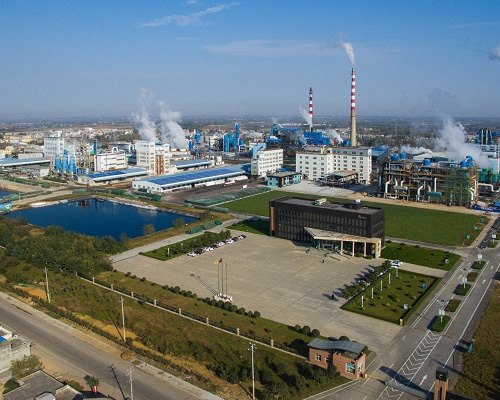
Inner Mongolia Yuanxing Energy Co., Ltd. stands as one of those pivotal companies that demonstrates clearly: energy development in China is not merely about meeting the country’s massive energy demand, but more about how industries adapt as carbon and pollution regulations become increasingly stringent year by year. Inner Mongolia Yuanxing Energy Co., Ltd. does not operate in isolation on Inner Mongolia’s vast grasslands; instead, its operations have far-reaching ripple effects, supplying power and chemical products to regions across the entire country. From my experience in tracking China’s industrial transformation, companies like Inner Mongolia Yuanxing Energy Co., Ltd. are of great significance—they set examples, whether good or bad, for responsible industrial growth. The core business of Inner Mongolia Yuanxing Energy Co., Ltd. lies in coal chemical engineering. This is not uncommon for Inner Mongolia, a region abundant in natural resources but long criticized for its air quality and the harsh environmental trade-offs of its industrial development. Companies in this region have two choices: adhere to the outdated, polluting practices of the past, or embark on a path of transformation. Observing the direction Inner Mongolia Yuanxing Energy Co., Ltd. takes offers valuable insights into China’s future energy trajectory.Pushing Productivity, Facing Pollution: The Challenge for Inner Mongolia Yuanxing Energy Co., Ltd.The factories of Inner Mongolia Yuanxing Energy Co., Ltd. churn out methanol, urea, and other coal-derived products that power everything from fertilizer plants to city buses. The facility footprint of Inner Mongolia Yuanxing Energy Co., Ltd. covers sprawling plots of land, where chimneys billow smoke into the winter sky. The challenge for Inner Mongolia Yuanxing Energy Co., Ltd. is clear: every ton of product brings economic benefits to the local economy, but also poses potential risks to the air, water, and soil. Having seen similar companies attempt to go green only to be hindered by poor enforcement, I know that simply labeling a chemical process as “clean” is not enough to achieve real progress. National policies have exerted significant pressure on enterprises like Inner Mongolia Yuanxing Energy Co., Ltd. to improve: stricter emission standards, mandatory water recycling requirements, and energy efficiency benchmarks have been implemented. Fines and forced upgrades have been imposed on those ignoring the rules. As a company of considerable size and influence, Inner Mongolia Yuanxing Energy Co., Ltd. faces pressure from the government, investors, and increasingly, from the communities living near its facilities. My time spent in Chinese industrial towns tells me that local residents notice when companies cut corners, and a company’s reputation can unravel quickly. The Balancing Act: Growth Versus Green for Inner Mongolia Yuanxing Energy Co., Ltd.Inner Mongolia Yuanxing Energy Co., Ltd. does not prioritize environmental protection merely for public relations purposes. Its smart executives recognize that sustainable production is not a passing trend—cutting corners to reduce costs ultimately leads to even greater expenses. Contaminated water can trigger factory shutdowns; air pollution results in medical bills and lost productivity. While there is always a temptation to stick to old, low-cost processes, growing evidence shows that investing in modern emission control technologies pays off in the long run. The moves by Inner Mongolia Yuanxing Energy Co., Ltd. to adopt gas purification, waste recovery, and water treatment systems show promise, but in this region, effective oversight requires the cooperation of everyone—from plant managers to city officials. Energy companies like Inner Mongolia Yuanxing Energy Co., Ltd. that integrate sustainability into their long-term planning are proving more resilient when commodity cycles fluctuate or new regulations are introduced.
Significant Progress in Inner Mongolia Berun Chemical Co., Ltd.

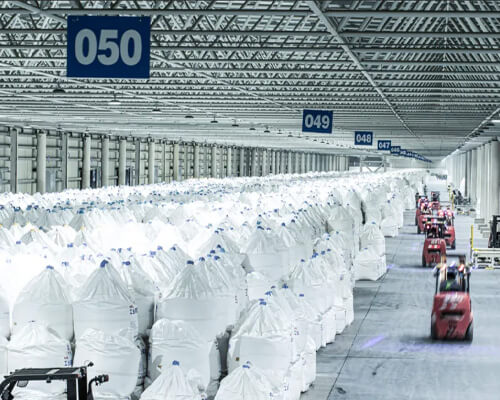
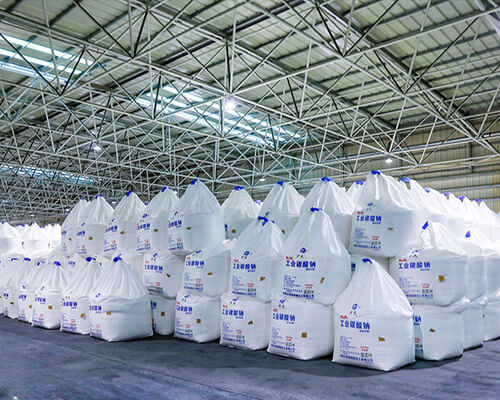
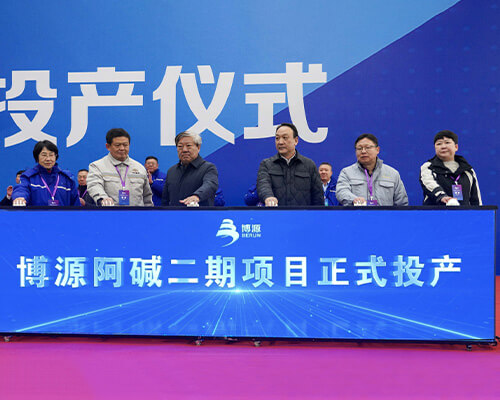
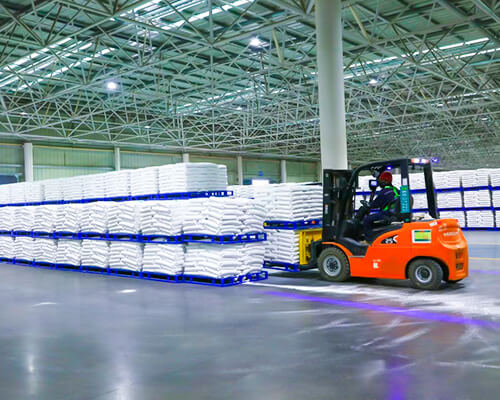
The Azul project is planned to have an annual production capacity of 7.8 million tons of soda ash and 2 million tons of sodium bicarbonate. Construction began in June 2020, with Phase I completed and put into operation in June 2023, reaching full production capacity the following year. Phase II commenced construction at the end of 2023, with the soda ash unit completed this December. The first production line successfully produced its first batch of products on December 9th, and other production lines will be put into operation successively. Upon full operation, the project will bring the annual production capacity of soda ash and sodium bicarbonate to over 10 million tons, with an estimated output value exceeding 12 billion yuan and tax contribution exceeding 2 billion yuan. This project represents the culmination of Boyuan's over 40 years of experience in natural soda ash mining and processing, achieving significant breakthroughs in technological innovation, large-scale equipment, and digitalized management. The project's full completion and operation mark Azul as the world's largest soda ash and sodium bicarbonate production base, profoundly influencing and changing the global soda ash development landscape and market structure. Alashan Phase II Project: Commissioning & Capacity Release (Feb 26, 2026)The Alashan Tamusu Natural Alkali Phase II Project (2.8 million tons/year of soda ash + 400,000 tons/year of baking soda) is currently in commissioning and capacity ramp-up.Once fully operational (together with the 1.2 million tons/year carbon-recycled baking soda project), Berun will reach:Soda ash capacity: 9.6 million tons/year (world’s largest)Baking soda capacity: 3.1 million tons/year.Product Diversification & High-End CertificationBrand Strength: "Malan" baking soda (China Famous Trademark) and "Yuanxing" soda ash (China Famous Trademark) Grade Expansion: Industrial, food, pharmaceutical, feed, and carbon-recycled grades Global Recognition: Certified with Green Food, ISO9001, HALAL, KOSHER, etc., ensuring access to high-end international markets Application Expansion: Deepened penetration in food, pharmaceuticals, environmental protection, personal care, and expanded into animal husbandry (feed), industrial cleaning, fire protection, and water treatment Technological Innovation & Cost AdvantagesCore Technology: Advanced hydrothermal dissolution mining + pure physical evaporation process, achieving 40% energy saving and 50% water reduction compared to traditional methodsCost Leadership: Natural alkali method cost advantage with soda ash production cost ~673 RMB/ton and gross margin exceeding 35%Tailings Recycling: Entire production cycle realizes zero discharge through tailings liquid recycling for mining

Inner Mongolia IHJUCHEM Industrial Co, Ltd. Soda Ash

Sodium carbonate is a crucial chemical raw material, widely used in light industry, daily chemicals, building materials, chemical industry, food industry, metallurgy, textiles, petroleum, defense, and pharmaceuticals. It is used as a raw material for manufacturing other chemicals, as a cleaning agent and detergent, and also in photography and analysis. Other major applications include metallurgy, textiles, petroleum, defense, pharmaceuticals, and other industries. As of now, Boyuan Group has a soda ash production capacity of 6.5 million tons per year. Its soda ash operations are located in Alashan Tamusu, Inner Mongolia, and Tongbai County, Nanyang City, Henan Province. Boyuan Group has developed strong technological advantages and development capabilities in the production of soda ash from natural alkali through years of development. With soda ash as its core business, the company adheres to the principle of "focusing on core business and upgrading and transforming," leveraging technological innovation to accumulate technological advantages and form a green and natural brand advantage; implementing a premium product strategy to promote product upgrades; and focusing on product serialization and differentiation to achieve substantial breakthroughs. Boyuan Group's subsidiary, Zhongyuan Chemical Company, produces products from ore sourced 2500 meters underground. The raw materials are concentrated through surface evaporation, resulting in a pure, natural, and green product free of harmful impurities such as lead and arsenic. The natural soda ash production process ensures stable product quality and a complete product range, meeting the diverse and personalized needs of various consumer scenarios and different user levels. With the discovery of natural soda ash resources in Alashan, Boyuan's strategy of focusing on, developing, and strengthening its core business is becoming a reality. Leveraging the abundant and high-quality natural soda ash resources in Tamusu, the group plans to construct a 7.8 million-ton/year soda ash plant and an 800,000-ton/year sodium bicarbonate plant. This project officially commenced in 2020 and is being constructed in two phases. Phase I was completed and put into operation in 2023, and Phase II is scheduled for completion by the end of 2025. The natural soda ash industry has established a core position within Boyuan's industrial system and secured its leading position in the industry's competitive landscape. Boyuan has become a truly leading enterprise, laying the foundation for the future development of China's soda ash industry. CONTACT INFORMATIONWebsite:https://www.malan-sodium-bicarbonate.com/Phone:+8615380400285Email:sales2@liwei-chem.com

A Brief History of Soda Ash

Soda ash (sodium carbonate), hailed as the "mother of chemicals," is widely used in many core fields such as glass and new energy. Its industrial development history is not only a history of global chemical technology iteration but also a history of the rise of China's national industry from follower to leader.The Industrial Revolution of the 18th century spurred the modern soda ash industry: In 1791, the Leblanc process in France pioneered a new path for soda ash production; in 1861, the Solvay process in Belgium became mainstream due to its large-scale advantages, but it suffered from low raw material utilization and significant pollution from waste residue and waste liquid. In the early 20th century, the Chinese soda ash market was monopolized by foreign manufacturers. Patriotic industrialist Fan Xudong, together with Hou Debang, overcame these difficulties, producing 99% pure "Red Triangle" soda ash in 1926, breaking the Western monopoly. In 1943, they invented the Hou's process, increasing salt utilization from 70% to over 98%, a major innovation in the history of world soda ash production.Since the founding of the People's Republic of China, China's soda ash industry has achieved leapfrog development, with its production capacity increasing from 88,000 tons at the beginning of the PRC to become the world's largest in 2003, and exceeding 32 million tons in 2020. Simultaneously, China's natural soda ash industry has rapidly emerged, progressing through the 1.0 era of alkali field sun-drying technology, the 2.0 era of complex component separation technology, and the 3.0 era marked by the commissioning of the Alashan 10-million-ton-level project in 2025. It is projected that by the end of the 15th Five-Year Plan period, China's annual soda ash production capacity using the natural soda ash process will exceed 20 million tons, with a market share exceeding 60%.Today, China's soda ash industry has completed its transformation from a global follower to a leader, and is now iterating and upgrading towards the 4.0 era of digitalization and green development, contributing Chinese solutions to the sustainable development of the global soda ash industry.

Henan Zhongyuan Chemical Co., Ltd. Malan Brand Food Grade Sodium Bicarbonate

Walking through a grocery store aisle, you notice countless food packages listing sodium bicarbonate as one of the ingredients. Maybe it’s in that bag of bread, the bottle of antacid tablets, or even the leavening in your favorite pancake mix. People rarely pause to think about what food grade actually means or why the company behind it makes a difference. Having spent the better part of my life working in small bakeries and later on, reviewing supply chains for consumer goods, I’ve developed a pretty straightforward philosophy: what passes through most hands ends up in somebody’s mouth. There’s an invisible trust we extend to suppliers. With a brand like Malan from Henan Zhongyuan Chemical, that trust comes under an even brighter spotlight, given the scale at which their sodium bicarbonate enters kitchens around the world.After years spent worrying about “hidden” chemicals or recalled batches, a pattern emerges in the stories shared among kitchen professionals and parents alike. Mistakes in food ingredient sourcing have left dents not just in reputations, but in people’s health. Reports from reputable sources such as the World Health Organization and various food safety authorities have shown the impact of impurities and contamination in food ingredients that seemed safe at first glance. For that reason, production transparency isn’t just an empty buzzword. Companies like Henan Zhongyuan Chemical find themselves held to real standards, especially now that regulations grow tighter both in China and for all imported food ingredients around the globe. As someone with a foot in both the technical and consumer sides, I see demand for clean, food grade sodium bicarbonate as something far more than a regulatory checkbox. It’s about accountability that gets tested batch after batch, year after year.Talk to anyone responsible for school or hospital kitchens, and you’ll hear the same refrain—they need clean, reliable baking soda because people’s health hangs in the balance. Food grade sodium bicarbonate not only goes into baked goods and fizzy drinks, it plays a vital role in pH balancing medications, toothpastes, even dialysis solutions. A simple misstep in chemical purity can wreck entire production runs and trigger costly recalls, not to mention risk someone’s safety. In my bakery days, any batch of baking soda that smelled or looked strange would be tossed on the spot. What seems like paranoia is in fact hard-earned vigilance: stories circulate about suspicious shipments that don’t meet spec, sometimes exposed only by a failed bread loaf or a rejected shipment from regulators. Malan’s reputation hinges on this tightrope walk between high-volume manufacturing and nonstop quality control. The challenge grows sharper every year because people feel more empowered to demand safe choices, and global trade routes have their fair share of weak links.Transparency is no longer just a selling point; it’s a prerequisite for trust. Earning a position among global suppliers requires more than certificates and glossy brochures. It takes time and real openness about lab results, production practices, and supply chain controls. Listening to industry insiders—especially those who’ve worked as auditors or quality managers with major food processors—shows just how much scrutiny these chemical ingredients attract. A food grade label only carries weight when backed by regular, independent verification. I’ve personally reviewed documents for international suppliers, and the strongest ones welcome tight oversight and surprise audits. Henan Zhongyuan Chemical has felt this shift, as partners now expect far more than test results on a piece of paper: people demand digital traceability, documented processes, and clear communication when anything goes off-track. That pressure can frustrate even top producers, but it also weeds out corners-cutters and opens up the market for brands willing to do real work. The path forward relies on more than just following the minimum legal requirements. From my interactions with purchasing teams and manufacturing floor leads, I see that the strongest companies take a proactive approach to quality—not just waiting for inspectors to find problems, but developing systems that catch issues long before ingredients leave the factory. Expanding third-party oversight, making use of better contaminant testing, and committing to transparent recalls set the high-water mark for the industry. Industry-wide, food producers and ingredient suppliers are shifting toward blockchain-backed traceability tools and real-time monitoring, with some success stories already reported in global supply chain journals. These tools empower companies and consumers alike to spot trouble before it escalates. The more that suppliers like Malan lean in to these efforts, the more confidence they build—especially in skeptical markets that treat imported chemicals with suspicion. This is not about chasing perfection, but about setting a clear expectation and meeting it consistently, even when nobody is looking.If you ask home bakers why they trust one baking soda brand over another, many can’t articulate the reasons, yet the undercurrent is always trust. As risk of trace contamination or shipped-by-night secondary suppliers grows, brands that openly communicate sourcing and testing practices stand out. The day-to-day grind of keeping up with food safety guidelines may not make for glamorous headlines, but it carries direct impact on every family who unseals a fresh pouch for birthday cakes or allergy-friendly breads. With decades of trade experience, I’ve watched markets penalize those who fall short and reward those who build genuine, earned credibility, especially in food safety. Companies able to keep their promises regardless of where their products end up help raise expectations for everyone involved. In a world brimming with complicated labels and quick-fix “greenwashing,” straightforward integrity—like the kind that starts with pure, scrupulously managed sodium bicarbonate—has never been more urgent.

Inner Mongolia Berun Yingen Chemical Co., Ltd.

Inner Mongolia has always carried a reputation for wide-open spaces and resource-rich land. In recent years, companies have raced to set up shop, eager to tap into the coal and minerals that lie beneath those flat plains. Berun Yingen Chemical Co., Ltd. stands out as one of the firms driving this transformation. Growth stories rarely come without a few bruises, and this one draws out the tension between industry ambitions and the place people call home. It’s easy for outsiders to focus on the factory numbers or the export volumes, but at the core, the discussion always turns to jobs, pollution, and the future people can expect in this part of China.Factories don’t run on good intentions. They need skilled labor, steady supplies, and reliable infrastructure. Berun Yingen Chemical stands as an example of what happens when all three come together in Inner Mongolia. No one can dismiss the boost that companies like this bring to local employment or the downstream businesses that spring up to serve workers and their families. For a region that’s often far from the mind of Beijing policy makers, these jobs can mean the world for folks trying to send their kids to university or save up for better housing. The challenge comes in the haze that sometimes floats above the factory roof, or the shifting taste of water from nearby wells. Long-term residents don’t need lectures on risks: they live with the trade-off every day, balancing today’s paycheck against the health of tomorrow’s crops.This isn’t the first part of China to wrestle with the footprint left behind by heavy industry, and it won’t be the last. The government has written new laws aiming to prevent the sort of disasters that once marked China’s industrial expansion. What matters most isn’t a printed policy, but how those rules play out on the ground. Transparency helps. Firms that open their doors to public inspection and publish clear reports on waste management signal that something is changing, even if it takes years to build trust. I’ve seen neighborhoods hold tense meetings where factory bosses and villagers trade complaints and promises; these conversations get heated, but they matter more than any official poster in the town square. Only strong oversight creates a setting where progress doesn’t bulldoze the land beyond repair.Solutions won’t come in a neat package. Some people suggest new technology, like cleaner emissions equipment or improved recycling for industrial byproducts. These investments aren’t always cheap, but they help keep the business alive in the long haul and show a willingness to do better. Real change comes when companies listen to concerns and share clear plans for risk management, not wait for inspectors to show up. My own time spent visiting factory villages convinced me that people ask for more than just a job; they want a voice when their health or land is at stake. Some firms team up with local universities for environmental monitoring, while others set up hotlines for complaints. These moves might look small on paper, but from experience, I’ve seen them shift the atmosphere in a community.Inner Mongolia holds a unique spot in the chemical sector’s supply chain, and Berun Yingen Chemical’s story serves as a warning and a guide. Looking at how these large companies handle their responsibilities can help others do better, too. Old ways of working in isolation no longer fit with global standards or growing public confidence. Facts show that companies investing in community partnerships and pollution control tend to face fewer protests and costly shutdowns. Shareholders notice when a firm avoids legal trouble and media scandals, which explains why the smartest players treat environmental management as a business asset, not just a regulatory burden. The next shift in Inner Mongolia’s economy depends on a blend of improved technique, honest reporting, and direct engagement with the real-world concerns of workers and neighbors alike.