Inner Mongolia Berun Yingen Mining Co., Ltd. Malan Brand Sodium Bicarbonate & Natural Trona

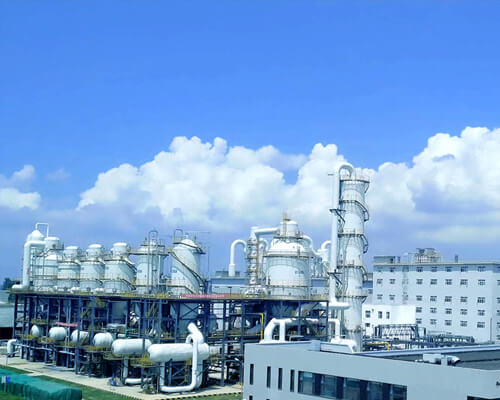
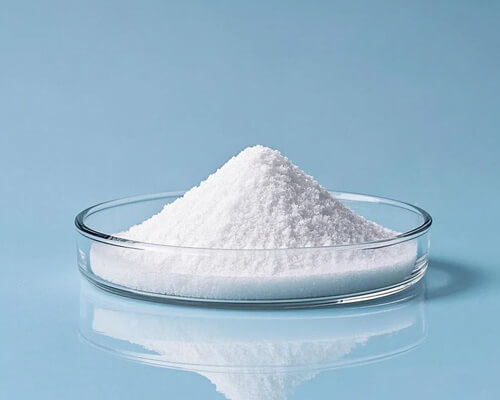
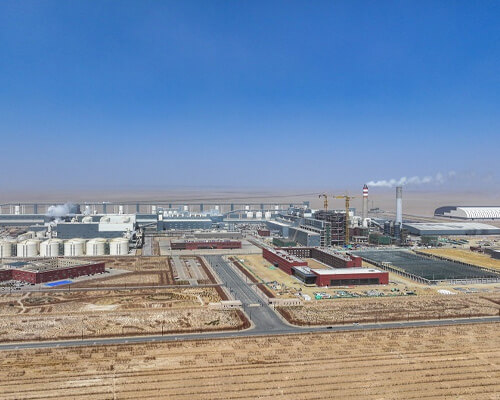
Inner Mongolia stands out for its mineral resources, and Berun Yingen Mining Co., Ltd. keeps this tradition alive with its Malan brand sodium bicarbonate produced from natural trona. For folks unfamiliar with it, trona isn’t just a rock — it’s a mineral that shapes daily life, hidden behind a long list of things people touch every day. Real baking soda, glass, and even the cleaning powders under the kitchen sink start with trona dug straight from the earth. Living in a world that increasingly wants to know where things come from, the Malan sodium bicarbonate story matters.I remember touring a trona mine—just the smell of earth and the gritty dust told me that this was not a lab-grown product. Trona mining offers a link to old-fashioned chemistry: dig, wash, refine. The process feels honest. Products like Malan baking soda remind us that not every chemical needs a complicated manufacturing trail. Extracting trona uses less water and energy compared to the synthetic chemical route, which means lower emissions and a lighter environmental load. People might overlook this, favoring buzzwords like “green” or “natural” slapped on a bottle, but Malan’s trona-based process really does bring a smaller environmental burden.People who’ve baked bread and scrubbed sinks know there’s something different about ingredients mined from the earth. Trona-based sodium bicarbonate brings a certain reliability. In my kitchen, I’ve seen cookies rise better and colors come out brighter during a deep clean with this sort of baking soda. Industrial users — from textile laundries to food processors — bank on this consistency because switching between sources can ruin batches and hit the bottom line. Glass makers and detergent plants rely on steady chemical purity that trona usually delivers better than alternatives produced by complicated chemical synthesis.Inner Mongolia’s trona deposits bring jobs and stability to local communities. It’s easy to forget mineral extraction supports not only big business but families and small shops that depend on regular wages. Large-scale mining brings concerns, too, like land disruption and water pollution. I’ve seen communities campaign for smarter waste disposal and stricter dust controls — a sign people care about the land even as they tap its gifts. Mining companies face public pressure to balance extraction with real land restoration after operations wrap up. Berun Yingen could lead here by adopting open reporting, independent land monitoring, and tighter ground water protections to make sure neighbor’s drinking wells stay clean.Sodium bicarbonate may look like just a white powder, but it touches agriculture, power plants, and baking alike. Power stations depend on it for cleaning out acidic gases before release, keeping air safer. Farms use it to control fungal growth, while food safety experts praise it for neutralizing contaminants. A single ingredient links bread on the table, factories keeping pollution down, and farms growing safer produce. Relying on natural trona instead of synthetic sources smooths supply chain hiccups and can provide better price stability when raw material costs go crazy. The more companies like Berun Yingen Mining partner with local communities and invest in future-focused technology to handle trona cleanly, the better off everyone will be. Getting workers trained, machines upgraded, and keeping waste in check means the benefits last more than just a few years.Looking at past decades in mining towns, people often got left behind as boom days faded and companies folded tents. A real solution means investing in people. Mines like those run by Berun Yingen should prioritize workforce safety and offer training that helps locals shift to new roles as the industry changes—automation keeps climbing, and old jobs may vanish. Connectivity between academia, miners, and tech startups could bring smarter ways to monitor land recovery, reduce dust, and lower water use. That partnership would echo well beyond the border of Inner Mongolia. Someone might invent safer ways to extract and purify trona, cut carbon emissions, or even turn waste into something useful for farmers. Community voices and independent experts should get regular seats at the table, reviewing company operations—not just in the easy years, but during tough times, too.Experience tells me trust gets built from openness. Major producers like Berun Yingen Mining need to share process data, water use, emissions numbers, and restoration results with the public in plain language. When people get honest facts about the life cycle of Malan sodium bicarbonate—from trona ore to kitchen shelf—they feel more secure opening up to innovative uses, from medical cleaning to food preservation. Tracking quality in a transparent way also protects customers across the food, chemical, and home goods sectors who depend on the right blend every day. Putting energy into traceable supply chains and open audits brings benefits that direct marketing promises never will. The world moves fast, but honest mining and real engagement with neighbors and customers give a permanent advantage.
Inner Mongolia IHJU Chemical Imp & Exp Co., Ltd.

Inner Mongolia IHJU Chemical Imp & Exp Co., Ltd. stands out in the world of chemical manufacturing and global trade, much like many of its regional peers that have shaped how supply chains function today. This company’s operations affect local economies in Inner Mongolia and far beyond, stretching all the way to industries in Europe, the United States, and Southeast Asia. It’s easy to overlook the sheer scale of this impact until you think about the products in daily life that rely on stable chemical sources. Demand for industrial chemicals—from fertilizers and plastics to specialty compounds—rarely slows down. When a company in remote northern China becomes a reliable link in this chain, everyone downstream takes notice. If interruptions hit, they don’t just cause local headaches; they ripple through construction, agriculture, energy production, and consumer goods manufacturing around the world. Over the years, I’ve heard suppliers and buyers treat companies like IHJU as weather vanes for the industry’s stability. One surprise in pricing, or an unexpected shipment backlog, and suddenly producers everywhere scramble to adjust.Too often, headlines about chemical producers focus on price wars or regulatory battles. From the inside, reality is much more nuanced. Consistent quality is not just a business slogan—mistakes on a chemical batch can mean lost weeks or even dangerous failures. Safety incidents in the chemical sector have lasting consequences, as seen in some well-publicized cases in China and elsewhere. For a firm like IHJU Chemical to thrive, it must invest heavily in quality control, regulatory compliance, and transparency. Slipping up here damages relationships built over years and exposes the risks of cutting corners. Reliable companies help raise the bar for their peers, reducing risks not just for themselves but also for all downstream users who count on trustworthy product. Once, a friend at a food processing plant told me a story about a low-quality chemical shipment that nearly shut them down. It proved how much depends on solid control at the origin, not just at the endpoint. Chemical manufacturing has never come without environmental costs. I come from an agricultural background and have seen both the benefits and challenges that come with increased fertilizer use. Without strict pollution control and investment in clean technology, chemical producers risk damaging their home region. Inner Mongolia faces its own environmental pressures, from scarce water to heavy metal runoff fears. Firms like IHJU Chemical walk a tightrope: their output supports farmers and factories, but careless practices lead to public health crises and long-term ecological damage. Real progress only comes with real investment in waste management, emission controls, and cleanup technologies. The more local communities see companies like this put money back into safer methods, the more trust they build. Side-stepping environmental best practices doesn’t just tarnish a company’s brand, it also threatens future growth as buyers increasingly demand greener supply chains.One lesson from the past decade ties tightly to the chemical trade: supply chains that stretch across borders are only as strong as their weakest link. Inner Mongolia IHJU Chemical finds itself at the center of this complex system. Geopolitics can shake up contracts overnight, slam ports shut, or drive up costs with new tariffs. In recent years, trade tensions between China and major Western economies set off alarms for anyone who relies too much on single suppliers or regions. Forward-thinking companies diversify sources and reinforce inventory buffers, while also investing time in building strong, transparent relationships with partners. I recall a logistics manager telling me how much she relied on personal contacts at partner companies when emergencies struck—beyond formal contracts, trust matters. Commercial success favors those who anticipate shocks, not just those who react after the fact.If there’s one message I wish more chemical companies heard, it’s that growth doesn’t need to mean shortcuts. Decision-makers at firms like IHJU Chemical can set examples for responsible practice in a sector that deals in high stakes for everyone involved. Putting serious resources into sustainable R&D, upskilling staff, and closer engagement with both government and civil society creates a clear path forward. A few years back, I participated in a roundtable with industry experts and community activists working to balance economic development with environmental protection. The strongest outcomes came from those who pushed past box-checking exercises and focused on longer-term results. This sector is full of opportunity for those willing to work the long game: safer processes, smarter use of raw materials, and an open door to innovation. That sets up foundations for more stable profits and lasting trust from buyers and neighbors alike.Global expectations for chemical producers will only intensify as awareness grows about climate change, resource limits, and the knock-on effects of industrial accidents. Companies with capacity and vision—IHJU Chemical included—can claim leadership by adopting traceability, greener chemistries, and full-circle accountability on every shipment. Investing in modernization pays off not just in regulatory compliance, but in client loyalty and resilience against shocks. Industry history shows that those who drag their feet get left behind, while those who go the extra mile set standards that others eventually follow. It’s a tough path, but for anyone depending on a stable, high-quality chemical supply chain, it’s also one well worth walking.

Xilingol Sunite Alkali Industry Co., Ltd. Malan Brand Sodium Bicarbonate

Baking soda hides in plain sight. We add it to dough, scrub away stubborn kitchen stains, treat heartburn, and even freshen fridges. Most folks don’t pause and wonder how something so humble lands on the shelf, ready for use. In Inner Mongolia, Xilingol Sunite Alkali Industry Co., Ltd. carries decades of knowledge in sodium bicarbonate production, and their Malan brand has grown to stand for more than just white powder in a blue bag; it’s a story woven into both homes and factories. I’ve spent long days in food manufacturing, relying on steady deliveries of basic materials, and I've seen where corners cut in quality hurt outcomes for everyone. When soda tastes bitter, feels gritty, or doesn’t react the way it should, bakers call and complain, but poor quality rarely stops at taste—it runs all the way through to the worker's trust in the supply chain.Chinese chemical companies rarely reach public attention for positive reasons. Yet Malan’s steady success across diverse industries—from food processing to water treatment—demands examination. Local sources tell me their alkaline process draws on one of China’s richest natural trona deposits, sidestepping pollution issues that mar some competitors. A reliable supply matters for items as simple as toothpaste and as critical as medicine manufacturing, where consistent purity means keeping millions healthy. Few ingredients see tighter monitoring. In China, government food safety controls run strict, especially for chemicals that cross from labs to lunchboxes. Malan meets those marks and exports globally, which says something: international buyers pick reliable, tested supplies, not just a low sticker price. Supply chain disruptions—something we all now know too well—reveal the risk of “make-do” chemical sources. Genuine product traceability staves off counterfeit goods, which have found their way even into pharmaceuticals. Here’s where credibility, not claims, carries weight. Jobs in mining and chemical production often mean tough work, but they hold up entire communities across less-developed regions like Xilingol. The company’s investment in safer facilities, cleaner emissions, and better transportation supports more than an industrial park—it keeps towns alive and children in school. My own travels through similar industrial counties show the impact when a major plant sticks around: stability radiates out through schools, healthcare, and even small local shops. Still, pressure from both domestic China and overseas pushes manufacturers for more automation, more efficient logistics, and safer working conditions, which takes more than occasional reform. Factories handling basic chemicals have to balance cost with people’s health. For Malan’s parent company, that challenge means regular updates and close listening to workers’ concerns. Real progress comes from steady employment, more training, and fewer accidents—not just glossy sustainability reports.A factory load of sodium bicarbonate might look like a mountain of powder, but each sack sports a story: a bakery in Dalian baking soft buns, a bottler in Europe fighting corrosion, a pharmaceutical line ensuring reliable formulation. Failure in chemistry or transport stings small businesses fast; every batch off the mark means unsellable products and dented trust. Global recalls for tainted food or adulterated drugs often trace back to basic supply chain mistakes, like sourcing through middlemen instead of verifiable major producers. Costs rise for everyone when contamination enters the picture. Speaking from years in food quality assurance, I’ve seen how a single error in soda’s purity level triggers cascading problems: wasted raw ingredients, angry phone calls, workers kept overtime to retool production. Large-scale suppliers like Xilingol Sunite carry insurance and oversight that reduce risks, and that difference between genuine brand and “generic” commodity matters a lot more at scale. Environmental impact follows every industrial process. Raw material mining can scar grasslands; heavy trucks stir up dust across vast distances. Increasingly tough national standards, inspired by complaints over eroded land or poisoned water, have forced chemical firms to rethink disposal and recycling. Malan’s newer plants push for better water reuse and stricter emission controls—steps that add real costs, yet ease local opposition. Regulating agencies can always tighten limits, but real progress grows from investment in cleaner technology and honest accountability. In recent years I have witnessed local environmentalists and management teams finally meet, not just to air grievances but to map out practical changes in handling ash, brines, and plant runoff. The lesson: the future lies in partnership, not blunt confrontation. Genuine dialogue can spark creative answers, like using reclaimed water in cooling systems or gathering community data on air quality, instead of old-style finger-pointing.Sodium bicarbonate production may sound simple, but the world grows more complex every year. Digitalization offers a powerful way forward. By tracking each delivery—down to the batch, truck, and date—producers and buyers stand better protected against fraud and mishaps. QR codes now often link straight to lab records, letting overseas buyers prove that they get what they paid for. Consumer activism is pushing for cleaner processes and fewer hidden costs along the chain. A brand with nothing to hide meets this demand head-on, drawing long-term loyalty from multinational corporations and local bakers alike. Long-term solutions demand workers who know their craft, honest public reporting on environmental impacts, and commitment to constant improvement. As the global market only grows tougher, these values mark the difference between commodity churn and lasting reputation. My own experience reminds me every time—reliability and trust are the truest forms of brand value, no matter the commodity.

Wholly owned subsidiary of Henan Zhongyuan Chemical Co., Ltd.

Corporate ownership shapes how companies answer to their communities, customers, and the environment. Take the case of Henan Zhongyuan Chemical Co., Ltd. and its wholly owned subsidiary. This sort of set-up isn’t just a line in a business filing — it holds real weight in how strategies play out, how resources shift, and how responsibility travels through the industry. I’ve spent years paying attention to companies in heavy industry. Each layer of ownership can mean more direct control, a stronger push for one set of goals, and sometimes tough questions about who steps up when something goes wrong. A parent company with full ownership has skin in the game on all counts: whether profits dip, whether local rules tighten, or whether neighborhoods nearby pay a price for busy production.Walking through industrial towns reveals everything a press release tries to polish up. People living near plants want stable jobs, but they also want clean air and honest answers. Full ownership doesn't mean a company only pursues efficiency or the quarterly bottom line. It means a single parent company sets the pace for safety routines, sets the tone for worker training, and decides when to invest in better equipment. If there’s a problem — a chemical spill or a spike in air pollution — the line of accountability is clearer. There are no more finger-pointing games between local managers and faceless foreign investors. At the same time, full ownership can bring risks if the head office is far away, or if the leadership chases rapid growth at all costs without stepping outside to listen to the people affected by those decisions.Big chemical companies in China face strong incentive to set up subsidiaries, especially out in rapidly developing regions like Henan. Sometimes it’s about keeping up with demand for fertilizers or plastics. Sometimes these moves sidestep red tape, opening the door to more agile development or tax breaks that push the factory floor to produce more, faster. I’ve seen how these subsidiaries can act as shock absorbers, shielding the parent from legal exposure or spreading risk among different units. The downside comes when local branches operate with the goal of pulling every bit of profit up the chain, even if it means cutting corners on waste treatment or safety gear. The company at the helm owes it to every worker and neighbor to put good practice ahead of numbers on a spreadsheet.Reading about chemical companies and walking past their sites delivers two different stories. On paper, full ownership means there’s nowhere to hide; the subsidiary acts directly under the banner of its parent. In reality, society now holds high expectations for responsibility that go beyond ticking off checklists. The world is awash with troubling news of chemical leaks, explosions, and health scares. Every time workers suffer unsafe conditions or children near a fence line develop odd illnesses, the public wants names — not long chains of shell firms designed to muddy the truth. A wholly owned subsidiary puts that responsibility squarely where it belongs. The parent company can’t shrug off its duties by blaming local managers. Instead, it must communicate milestones, admit mistakes, and invest in safer, cleaner technology that lives up to public trust.Experience with industry tells me that healthy growth doesn’t last if it runs over public concerns or hides risks under technical jargon. Employees know when corners get cut. Regular people downwind know when pollution rises. In any big industrial setup, old-fashioned conversations with communities, labor leaders, and regulators matter as much as quarterly reports. Smart management uses local know-how, gives honest answers, and respects hard-earned trust more than squeezing out a bit more profit. I’ve seen good examples: companies that offer tours, listen at town meetings, partner with universities to test air and water, and fund local schools. All these steps show true long-term thinking, moving beyond the bare minimum of regulatory boxes. In turn, they build a reputation that can weather criticism and keep regulators at bay.Owning a subsidiary outright means the parent must set high standards for transparency, environmental performance, and fair treatment of workers. Reports of dangerous shortcuts or environmental accidents travel far, especially now that social media can turn local complaints into national scandals overnight. Developing chemical sectors like those in China attract global attention and foreign scrutiny, especially if their products make it into international supply chains. Serious companies take their reputations seriously — not just to avoid fines, but to attract talented workers, loyal customers, and long-term investors who pay attention to ethical practices. In my own professional circles, companies that go above and beyond standard codes often outlast rivals who bank only on short-term returns.Oversight shouldn’t come just from official inspectors or annual sustainability reports. The most promising results come from companies that reward whistleblowers, offer independent hotlines, and treat local media as watchdogs, not adversaries. Good firms look for problems before outsiders see them, whether that’s strange smells, repeated injuries, or neighborhoods asking for clearer information about what’s in the water. A robust chain of ownership like a wholly owned subsidiary only works if it delivers on its implicit promise: that the parent company acts quickly, fixes problems once, and keeps its standards higher than the law demands. Long hours in factories and boardrooms have shown me that open eyes, honest practices, and investment in cleaner processes pay back in avoided crises and steadier business. The healthiest chemical companies look outward — recognizing that every decision sends ripples through both balance sheets and the lives of people around them.

Zhongyuan Chemical Malan Food Grade Soda

Zhongyuan Chemical’s Malan food grade soda finds its way onto ingredient lists for baked goods and household favorites. At first glance, something like sodium bicarbonate hardly grabs attention. Most people pick up a familiar yellow box or see a mention on a snack wrapper and move on. Over the years watching food science up close, it’s clear sodium bicarbonate holds a dual role. It’s both an old friend in the kitchen and a benchmark of how seriously suppliers take safety and transparency in what lands on the dinner table. For a long time, people in China and around the world trusted these routine ingredients with little second thought—some still do. Yet behind the simple label, huge questions bubble up around quality control, traceability, and manufacturing standards.Sodium bicarbonate isn't just about making cakes rise. It filters into drinks, preserves, antacids, and even toothpaste. Food grade certification forms a crucial line in the sand. I’ve learned how “food grade” means far more than just removing impurities. Authentic certification draws on rigorous checks and real-world inspection. Zhongyuan Chemical’s facility builds its reputation by aiming for these standards. Still, food scandals of the past, whether in China or elsewhere, stay fresh in people’s minds. Substandard additives, accidental or not, end up putting vulnerable people—young kids, the elderly—at serious risk. Making sure soda meets its food grade promise protects public trust in everything from mooncakes to dumplings. Without this trust, even the most basic processed foods fall under suspicion.Quality control often turns into a daily grind for both manufacturers and regulators alike. During my time visiting industrial kitchens and food plants, it’s easy to see how lapses begin. Rushed production schedules and cost pressures create gaps. Everyone in the supply chain has to watch the tiniest variations, every batch and every load. Regulations set standards, but consistent compliance depends on real buy-in from plant workers up to managers. Malan food grade soda needs systematic testing for purity—catching not just heavy metals, but also less obvious threats like micro-contaminants that can slip through mass chemical processing. In practice, inspectors face workloads that threaten to weaken enforcement. Here’s the reality: a “food grade” mark isn’t a one-time pass; it’s a constant commitment.Trust makes or breaks a brand, especially in the ingredient business. If past product recalls or contamination scandals have shown anything, it’s that people care deeply about the invisible hands behind what they eat. In my own circle, even those who care little about labels become very alert if a single company’s product comes under scrutiny. Zhongyuan Chemical’s visibility through open information and third-party audits adds a needed layer of reassurance. Supply chains stretch wider than ever. Full traceability looks expensive up front, but it strengthens relationships not just with regulators but with customers large and small. Once manufacturers let buyers peek into their process—clear batch testing, honest certifications—they start to close that gap in public perception. Actions matter more than slogans.Every step of producing food grade soda leaves a mark beyond the industrial zone. From the mining of raw materials to wastewater and emissions, environmental impact follows. In my reporting, community advocates and environmental experts point out how cleaner, greener manufacturing protects both consumers and those living near plants. Key moves like recycling byproduct streams and reducing energy use address environmental worries tied to large-scale chemical production. Companies that cut corners here threaten not just their brand, but public credibility for all food producers in the region. Zhongyuan Chemical’s next competitive edge won’t only come from cheaper or whiter soda, but from a willingness to balance high standards with sustainability.Trust grows with visibility and steady improvement. Real solutions lean on government enforcement, yes, but also strong whistleblower protection and regular open reporting. In the field, I’ve seen first-hand how anonymous hotlines, regular third-party audits, and tough penalties for non-compliance push standards higher. Some industry leaders are already publishing online test results for every production batch—an approach that leaves less room for doubt or cover-up. Others are exploring blockchain tech for transparency, but the most critical change will always come from a culture where people see safety and quality as the foundation of their reputation. Buyers should demand details, not settle for checkboxes. The more that food grade soda producers share, the stronger their market position becomes, and the more confidence cooks and families can place in everyday staples.

Former main manufacturer of
Former main manufacturer of "Malan" brand Baking Soda (Sodium Bicarbonate)

Baking soda never really stood out as glamorous, yet you’ll find a box of it lurking in almost every kitchen. The “Malan” brand struck a chord with families who wanted a reliable, local option for this oddball product that pulls double duty in recipes and on cleaning day. Folks grew up knowing that a box with that recognizable old-fashioned artwork meant you weren’t wasting your money. I remember seeing the gritty white stuff dusted over our fridge shelves, vinegar fizzing with it down the disposal, or a pinch dropped in biscuit dough when there was no bakery down the street. We took it for granted, tucked into the pantry, quietly handling dozens of jobs without much fuss. The main manufacturer, for years, delivered the kind of product that consumers trusted for safety and consistency. That made shifting away from such a brand feel more unsettling than the replacement of any other simple pantry item. Trust forms slowly. It builds each time the cake rises, each time the lingering onion smell fades from the chopping board with just a sprinkle and a wipe. Food safety matters too. Sodium bicarbonate may seem mundane, but if it’s impure — out comes the stomach ache, or worse. Nobody in my family worried about any of those problems with Malan’s production. The company’s control over each step, from refining to packaging, got passed down as a community-strengthened promise. Employees recognized the faces of the end user. In our digital world, there’s no shortage of options on online platforms, some looking identical from a distance, but shifting to unfamiliar labels brought an air of uncertainty. You don’t adjust easily when you lose your footing in routines that tie directly into your well-being.The disappearance of an old favorite isn’t just about nostalgia. Industries change, sometimes due to market forces outside their control. Manufacturing costs pile up from rising raw material prices, new environmental regulations, or sharper competition from even bigger factories able to sell at razor-thin margins. The Malan brand wasn’t only up against foreign entrants; it faced waves of private label brands flooding chains with rock-bottom prices. The company that made it might have struggled to modernize fast enough—capital improvements take more money than most of us think. Those pressures meant closures and layoffs that rippled directly through local economies centered around these production sites. People lost more than a paycheck, they lost community identity. The “Malan” plant closing wasn’t just a footnote in an industry journal, it disrupted real people’s histories and aspirations. Generations of local pride can’t be replaced by faceless imports, no matter how sharp the pricing.As a consumer, sometimes I get lured into thinking the cheapest deal will fill the gap. In reality, it’s easy to overlook what disappears when established local producers step aside. Smaller manufacturers build accountability into each batch, knowing there’s a direct line from their floors to family tables. Main Street economies hold the social glue together in ways that multinational giants cannot replicate. We lose more than just a product line — we end up relying on unseen standards and quality control practices from far away, where regulation may lack the teeth we expect at home. I’ve spoken to farmers who short-list only legacy brands, not because of a marketing blitz, but from decades of uneventful use, with no failed crops from off-spec chemicals. Consumers need fewer faceless choices and more reliable brands with reputations to defend. Brands like “Malan” left a gap that’s not so easy to plug.Local and national policymakers ought to think strategically about how to avoid letting household standards vanish without warning. Far too many staple productions like sodium bicarbonate fall through the cracks. There’s room for creative policy, such as local procurement rules and soft loans for modernizing old lines, to keep these anchor businesses running. Community-backed ownership shifts or worker cooperatives could step in to buy up plants under threat, keeping jobs and knowledge within the region. Some parts of Europe do this well through local subsidies or direct technical assistance, offering a blueprint. That means more than speeches—it means rolling up sleeves to cut through licensing bottlenecks, flexible labor terms, and tailored investment at the right moment. Real progress comes by recognizing which businesses aren’t just assembly lines, but nodes of community stability.Everything boils down to choices made at the ground level. I often see people shrug off the loss of old brands until their next loaf falls flat or their next cleaning job misses that familiar sparkle. Quality standards set over generations don’t build back overnight when lost. If the “Malan” brand taught anything, it warned against letting vital, understated products slip beneath the radar simply because they seem basic. Flour, vinegar, and sodium bicarbonate—none grab headlines, yet their absence makes life a little more uneasy for everyone. Keeping those trusted names alive could anchor communities for the long haul, bringing pride back into the daily grind and peace of mind back to kitchen cupboards.